



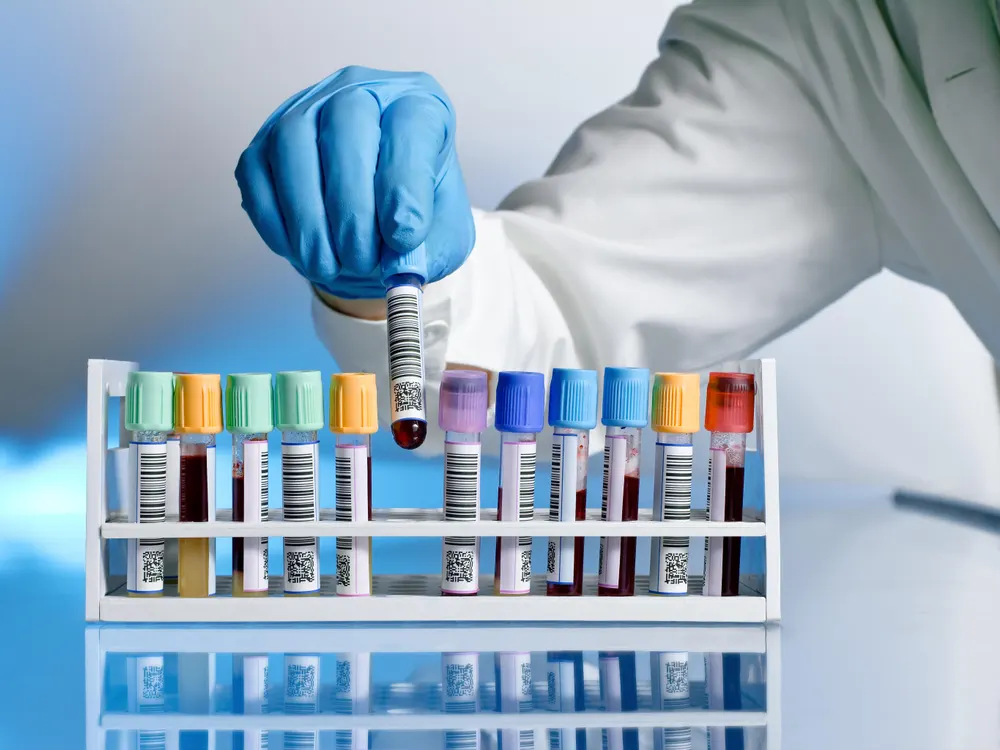
In laboratory and research settings, optimizing specimen collection procedures directly enhances productivity and minimizes errors. Here are ten strategies that the most efficient labs use to keep their collection processes running smoothly.
1. Standardize collection protocols
Consistency across all collectors requires uniform methods, container types, preservation techniques, and labeling procedures. When every phlebotomist follows the same protocol, specimen quality becomes predictable and problems become traceable.
2. Invest in quality collection tools
Superior swabs, containers, and preservation solutions improve specimen quality and reduce contamination risks. The cost of better tools is almost always less than the cost of a rejected specimen.
3. Train and retrain staff regularly
Ongoing education maintains collection standards and keeps personnel current with the latest techniques and regulatory requirements. Annual training is a minimum; quarterly refreshers on high-impact topics yield better results.
4. Use technology for tracking and documentation
Barcode or RFID systems decrease manual errors and enhance traceability from collection through result delivery. If you're still using handwritten labels, the ROI on a scanning system pays for itself in reduced rejections.
5. Minimize handling to reduce contamination
Direct transfer methods and limited human contact points preserve specimen integrity. Every additional touchpoint is an opportunity for error, so design your workflow to minimize them.
6. Establish clear labeling and documentation protocols
Accurate records including collection time, specimen type, and source information are essential for compliance and diagnostic accuracy. Ambiguity in labeling is the most common root cause of specimen rejection.
7. Regularly audit your collection processes
Periodic reviews identify inefficiencies and ensure protocol adherence. The labs with the best quality metrics are the ones that audit themselves before someone else does.
8. Implement a feedback loop with your analysis lab
Insights from the laboratory on specimen quality, rejection reasons, and turnaround impacts guide meaningful improvements in collection methods. If your lab and collection teams aren't talking regularly, you're missing the easiest wins.
9. Optimize storage and transportation conditions
Temperature, humidity, and light control protect specimen quality from collection to lab receipt. A specimen that was perfectly collected but improperly transported is still a compromised specimen.
10. Foster a culture of continuous improvement
Encourage staff suggestions, stay open to innovation, and measure the impact of every process change. The best collection operations aren't static; they're constantly refining.